We offer financing through Service Finance

Blog

California faces persistent water challenges that demand innovative conservation strategies. From recurring drought conditions to increasing population demand on finite water resources, homeowners and businesses must adopt sustainable practices that reduce consumption without compromising quality of life.

Eco-friendly plumbing upgrades offer practical, measurable solutions for addressing water scarcity. These technologies and systems can deliver substantial conservation benefits while providing long-term financial savings through reduced utility costs. Modern water-saving fixtures and appliances perform as effectively, or better, than traditional alternatives, making conservation both accessible and practical for California households.

At Trumbull Plumbing, we specialize in implementing water-conservation solutions tailored to California’s environment. Our expertise helps homeowners understand available technologies and choose upgrades that maximize water savings while meeting household needs and budget considerations.

1) Low-Flow Fixtures

Low-flow faucets and showerheads employ aerator technology that maintains water pressure while reducing flow rates. Traditional showerheads deliver 2.5 gallons per minute or more, whereas modern low-flow alternatives use 2.0 gallons per minute or less, achieving up to 20% water reduction without a noticeable degradation in performance.

WaterSense-labeled fixtures meet Environmental Protection Agency efficiency standards, guaranteeing performance alongside conservation. These fixtures incorporate pressure-compensating mechanisms and optimized spray patterns that provide satisfying water delivery while consuming much less water.

For typical California households, replacing standard fixtures with low-flow alternatives saves thousands of gallons annually. A family of 4 showering daily can conserve approximately 2,900 gallons yearly per bathroom through showerhead upgrades alone. Kitchen and bathroom faucet replacements contribute additional savings, collectively reducing household water consumption by 10 to 15% through fixture upgrades.

2) High-Efficiency Toilets

Traditional toilets manufactured before 1994 consume 3.5 to 7 gallons per flush, translating to substantial needless water waste. Federal standards now limit new toilets to 1.6 gallons per flush, while high-efficiency models achieve even greater conservation. WaterSense-certified high-efficiency toilets use 1.28 gallons per flush or less, roughly 20% less than standard federal requirements. Dual-flush models provide additional flexibility, offering reduced-volume flushes for liquid waste (typically 0.8 gallons) and full flushes for solid waste.    

The average person flushes 5 times daily, which makes 1,825 annual flushes. Replacing a 3.5-gallon toilet with a 1.28-gallon high-efficiency model saves roughly 4,000 gallons per person yearly. For California households paying typical water rates, this reduction generates a $50 to $80 annual saving per person, offsetting fixture costs within a few years while providing ongoing financial benefits.

3) Tankless Water Heaters

Traditional tank water heaters maintain large volumes of heated water continuously, consuming energy even when hot water isn’t needed. This standby heat loss wastes both energy and water, as people often run taps longer waiting for hot water to reach distant fixtures.

Tankless systems heat water instantaneously as it flows through the unit, eliminating standby losses. These systems provide endless hot water while reducing energy consumption by 24 to 34% for households using 41 gallons or less of hot water daily, typical for many California homes.

California’s moderate climate reduces heating demands, maximizing the efficiency advantages of tankless water heaters. Variable household water demands, from morning showers and evening dishes to periodic laundry, align well with on-demand heating capabilities, ensuring the availability of hot water without maintaining heated reserves.

Beyond this, the compact footprints of tankless units suit California’s space-conscious housing, especially in urban areas where square footage commands premium value.

4) Leak Detection and Repair Systems

Hidden leaks squander water insidiously, with even small drips wasting thousands of gallons annually. A faucet dripping once per second wastes over 3,000 gallons yearly, while toilet leaks can waste 200 gallons daily, or 73,000 gallons annually per faulty toilet.

Modern smart leak detection systems employ sensors throughout plumbing infrastructure, monitoring flow patterns, and identifying anomalies indicating leaks. These systems alert homeowners via smartphone notification, enabling immediate intervention before minor leaks cause extensive waste or property damage.

Whole-home water monitoring tracks consumption patterns, revealing unusual usage that suggests hidden leaks or inefficient fixtures requiring attention. This data-driven approach transforms leak detection from reactive crisis management to proactive conservation strategy.

5) Greywater and Rainwater Systems: Resource Reuse

Greywater, which is relatively clean wastewater from sinks, showers, and washing machines, accounts for 50 to 80% of residential wastewater. California regulations permit greywater reuse for landscape irrigation when properly managed, recycling this resource rather than sending it to treatment facilities.

Simple greywater systems divert laundry water directly to landscaping with minimal plumbing modification. More sophisticated systems incorporate filtration and distribution networks serving entire yards, substantially reducing potable water demands for outdoor use.

Although California’s rainfall concentrates seasonally, capturing and storing rainwater provides supplemental irrigation supplies. Rain barrels collect rooftop runoff, storing hundreds of gallons for dry-season landscape watering. Larger cistern systems accommodate thousands of gallons, supporting extensive areas through prolonged drought periods.

These systems reduce municipal water demands while managing stormwater runoff that otherwise contributes to urban flooding and pollution.

6) Efficient Irrigation and Outdoor Plumbing

Traditional spray irrigation wastes lots of water through evaporation and overspray. Drip irrigation systems deliver water directly to plant root zones through low-pressure emitters, achieving 90% efficiency compared to 65 to 75% for conventional sprinklers.

Weather-based irrigation controllers adjust watering schedules based on temperature, humidity, precipitation, and seasonal patterns. These systems eliminate irrigation during rainfall, reduce watering during cool periods, and increase delivery during heat waves, optimizing plant health while minimizing waste.

The implementation of smart water technology can generate 20 to 50% outdoor water savings. Implementation is the largest conservation opportunity in California, given that outdoor use constitutes 50 to 70% of household water consumption in the Golden State.

7) Benefits Beyond Water Savings

Water-efficient upgrades reduce utility bills immediately and permanently. California’s tiered water pricing, where rates increase with consumption, amplifies savings for conservation-focused households. Reduced water heating demands from efficient fixtures and tankless heaters compound savings through decreased energy costs.

Every gallon conserved reduces energy consumption for water treatment, distribution, and heating, lowering greenhouse gas emissions. Decreased wastewater generation lessens the burden on treatment facilities, protecting aquatic ecosystems from the impact of discharge.

Eco-friendly upgrades appeal to environmentally-conscious buyers while showcasing the modernity and efficiency of the home system. California’s sustainability-minded market particularly values water conservation features, turning upgrades into competitive advantages during property sales.

Choosing Trumbull Plumbing for Eco-Friendly Upgrades

Our expertise in water-efficient technologies informs optimal system selection and installation for your circumstances. We assess household water usage patterns, identify conservation opportunities, and implement solutions to maximize savings while respecting budgetary parameters.

California’s regulatory framework and rebate programs can be complex, so we provide guidance securing available incentives, offsetting upgrade costs through utility rebates and tax credits.Schedule your eco-friendly plumbing consultation today by calling Trumbull Plumbing at (949) 466-8617.
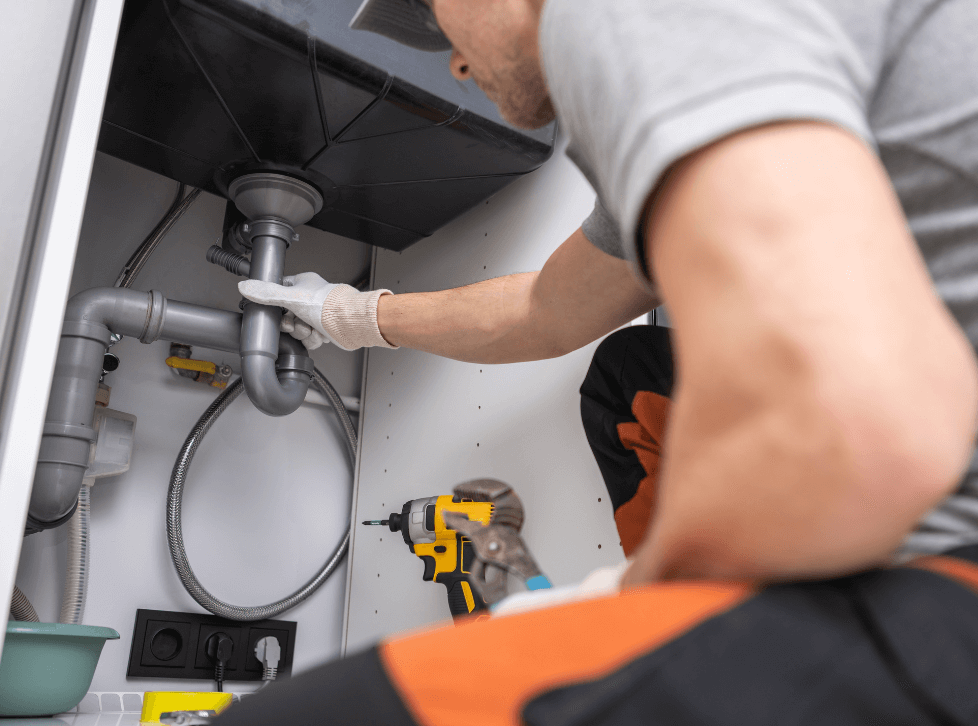
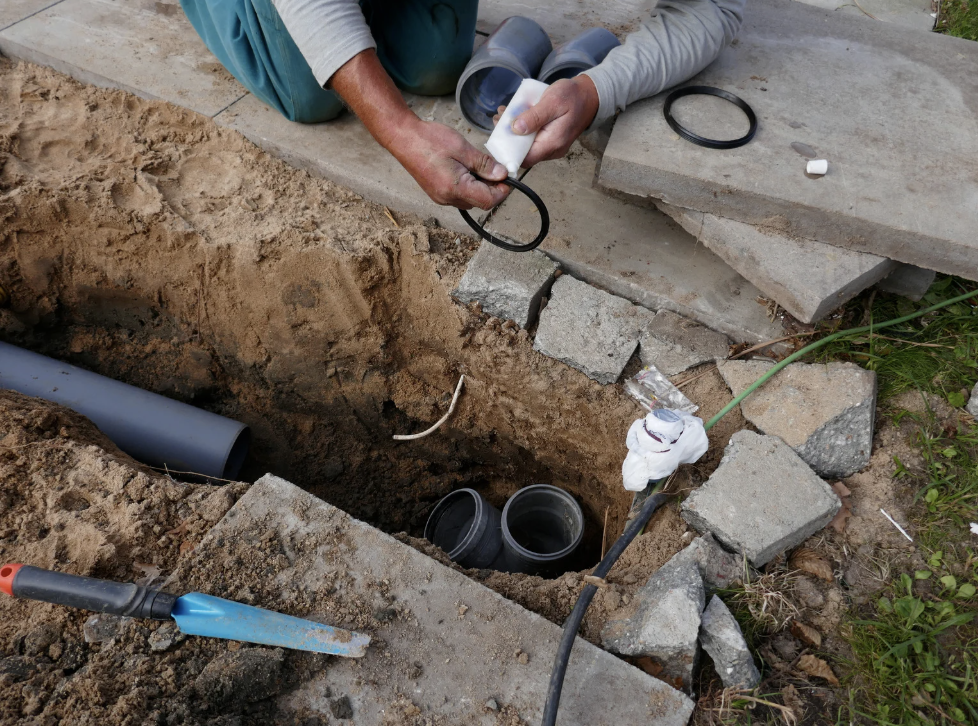
Plumbing systems operate quietly behind your walls, beneath your floors, and underground – until something goes wrong, that is. By the time you notice a problem, damage may already be unfolding. Regular plumbing inspections protect California homeowners from costly surprises, identifying issues before they escalate into emergencies.

California homes suffer from distinctive plumbing challenges. Hard water leaves mineral deposits that restrict flow and corrode pipes. Seismic activity shifts soil and stresses underground lines. Aging infrastructure in older neighborhoods means outdated materials that deteriorate over time. Spotting the early warning signs allows you to address problems proactively, protecting your home and your investment.

At Trumbull Plumbing, we help Orange County homeowners maintain healthy plumbing systems through comprehensive inspections and expert repairs. Knowing when to call for a professional evaluation prevents minor issues from becoming major disasters.

1) Slow Drains Throughout the Home

A single slow drain usually indicates a localized blockage in that fixture’s trap or drainpipe. That said, when multiple drains throughout your home drain sluggishly, the problem lies deeper in your system, likely in your main sewer line.

Slow drainage across several fixtures suggests accumulating blockages, tree root intrusion, or sewer line degradation. These issues worsen progressively. What starts as slightly slow drainage eventually becomes a complete backup, potentially flooding your home with sewage.

Professional inspection using camera technology reveals precisely what’s obstructing your pipes, enabling targeted treatment rather than guesswork.

2) Low Water Pressure

Adequate water pressure makes everyday tasks like showering, washing dishes, and running appliance go smoothly. When pressure drops noticeably, several underlying issues may be responsible.

In California, hard water deposits frequently accumulate inside pipes, narrowing the diameter and restricting flow. Mineral buildup affects older homes more severely, especially those with galvanized steel pipes that corrode from the inside out.

Low pressure can also mean hidden leaks. When water escapes through cracks or loose connections, less water reaches your fixtures. Faulty pressure regulators, corroded pipes, or municipal supply issues may also contribute.

A thorough inspection identifies whether the problem stems from mineral buildup, leaks, or failing components, helping guide the implementation of appropriate solutions.

3) Frequent Toilet Backups or Gurgling

Toilets that backup frequently despite plunging indicate an obstruction in your sewer line rather than the toilet itself. Similarly, gurgling sounds from toilets or drains when you run water elsewhere signal air pressure problems within your drainage system.

These symptoms result from partial blockages preventing proper venting. As water flows through restricted pipes, trapped airs triggers bubbling or gurgling noises. Left unaddressed, partial blockages become complete obstructions, causing sewage backups that cause health hazards and require emergency intervention.

Early inspection detects sewer line problems before they snowball, allowing preventative maintenance rather than crisis management.

4) Unexplained Increases in Water Bills

Water bills fluctuate somewhat based on usage patterns, but sudden, unexplained increases often point to hidden leaks. A small continuous leak wastes lots of water over time, sometimes hundreds of gallons monthly.

Many leaks occur in locations you cannot easily observe: behind walls, under concrete slabs, or in underground supply lines. These hidden leaks continue undetected for months, wasting water and potentially causing structural damage.

Professional leak detection uses specialized equipment like acoustic sensors, thermal imaging, and pressure testing, to locate hidden leaks without destructive investigation. Identifying and repairing leaks quickly prevents waste and protects your property,

5) Water Stains, Mold, or Damp Spots

Visible water stains on ceilings, walls, or floors clearly indicate moisture intrusion. Even small stains signal leaks that may have persisted for weeks or months. Accompanying mold growth is a health concern, particularly in California’s climate where moisture problems can spiral rapidly.

Damp spots under sinks, around toilets, or near water heaters suggest failing seals, corroded connections, or failing pipes. These conditions worsen over time, eventually causing pronounced water damage to surrounding materials.

Addressing moisture problems promptly prevents mold proliferation, structural deterioration, and expensive remediation. Inspection flags leak sources and assesses any hidden damage that needs repair.

6) Aging or Galvanized Plumbing

Homes built before the 1980s frequently contain galvanized steel pipes that corrode internally over time. As corrosion progresses, pipes narrow, water pressure drops, and water quality dips. Eventually, severely corroded pipes develop leaks or fail completely.

California’s mineral-rich water accelerates galvanized pipe degradation. If your home contains original plumbing from decades ago, a professional inspection assesses the condition of the remaining pipes and recommends appropriate timing for replacement.

Proactive repiping prevents emergency failures and improves water quality, pressure, and system reliability.

7) Rusty or Discolored Water

Water emerging brown, orange, or rusty-colored stems from corrosion within your plumbing system. When pipes corrode internally, rust particles and mineral deposits dislodge and flow through your taps.

If hot water appears discolored, your water heater likely requires flushing or replacement. When both hot and cold water show discoloration, pipe corrosion is the probable cause.

Beyond aesthetic concerns, discolored water may contain contaminants affecting health. Inspection determines whether the problem originates from your pipes, your water heater, or the municipal supply, guiding appropriate remediation.

8) Strange Noises in the Plumbing System

Plumbing systems should operate quietly. Unusual sounds like banging, whistling, knocking, or hammering indicate underlying problems that require attention:

  • Water hammer produces loud banging when you shut off faucets quickly. This occurs when water flowing through pipes suddenly stops, creating pressure waves that slam against pipe walls and fittings. Repeated water hammer loosens connections and damages pipes over time.
  • Whistling or squealing suggests restricted flow through partially closed valves or mineral-clogged pipes.
  • Rattling or knocking comes from loose pipes vibrating against framing when water flows.

These noise signal pressure irregularities, loose mounting, or flow restrictions. Professional inspection identifies causes and implements solutions preventing pipe damage.

9) Outdoor Signs of Plumbing Problems

Your yard provides clues about the condition of the underground plumbing. Unexplained soggy areas, pooled water, or unusually lush grass patches above sewer lines indicate leaking pipes beneath the surface.

California’s soil conditions, including expansive clay, seismic movement, and seasonal moisture changes, stress underground pipes. These forces crack aging pipes or separate joints, allowing wastewater to escape.

Sunken areas or depressions in your lawn suggest soil washing away around leaking pipes. Foul odors near specific yard areas are the result of sewer line breaches.

Outdoor plumbing problems warrant professional diagnosis using camera inspections and leak detection equipment. Timely detection prevents extensive yard excavation and foundation damage.

10) When to Call Trumbull Plumbing

Identifying warning signs is the first step toward protecting your home. Professional inspection provides comprehensive evaluation, flagging existing problems and potential vulnerabilities before they cause emergencies.

Proactive inspections save money by catching small issues before they require extensive repairs. Regular evaluation extends the lifespan of plumbing systems through preventative maintenance. Professional documentation of system condition protects property value and provides records for future reference.

Our licensed plumbers bring extensive experience of California’s plumbing challenges. We understand how hard water, seismic activity, and local building codes impact residential plumbing systems throughout Orange County and beyond. Our comprehensive inspections employ advanced diagnostic tools like video cameras, pressure testing equipment, and leak detection technology to provide accurate assessments without unnecessary invasiveness. We explain findings clearly, recommend prioritized solutions, and deliver reliable repairs that stand the test of time.

Your plumbing system deserves the same preventative attention you give other major home systems. Regular inspections identify problems early, prevent emergencies, and ensure that equipment lasts longer.Whether you’ve noticed warning signs or simply want peace of mind, Trumbull Plumbing provides thorough, professional plumbing inspections that help safeguard your California home. Schedule your comprehensive plumbing inspection by calling our friendly team today at (949) 466-8617.

Your sewer line is one of the most essential parts of your home’s plumbing system, yet it’s also one of the most neglected. Hidden underground, it carries wastewater away from your home every day without much thought – until something goes wrong, that is.

Sewer line problems are more than an inconvenience. They’re messy, expensive, and potentially hazardous to your health. A backed-up sewer can flood your home with raw sewage, damage your foundation, and create unsanitary conditions that require professional cleanup.

The good news is that most sewer line problems are preventable. With regular maintenance, smart habits, and professional inspections, you can avoid backups, extend the life of your system, and protect your property from costly damage.

At Trumbull Plumbing, we help California homeowners keep their sewer lines flowing smoothly. From routine inspections to emergency repairs, we provide the expertise and service you need to maintain a healthy plumbing system.

Why Homeowners Should Care About Sewer Line Maintenance

Prevent health hazards

Sewage backups expose your family to dangerous bacteria, viruses, and parasites. Raw sewage contains pathogens that cause serious illnesses. When sewage floods your home, it contaminates floors, walls, and belongings, creating a health emergency that demands immediate professional remediation.     

Avoid expensive emergency repairs

Emergency sewer repairs are among the costliest plumbing problems homeowners face. Excavating and replacing a damaged sewer line can cost thousands of dollars. Regular maintenance catches small issues before they turn into expensive emergencies.

Protect landscaping and foundation

A leaking sewer line structure saturates the soil around your home. This can damage your foundation, kill grass and plants, and create sinkholes in your yard. Water pooling near your foundation can seep into basements and cause structural problems.

Maintain property value

Sewer line problems scare off buyers and lower your home’s value. When selling your home, buyers will order inspections that reveal sewer issues. Documented maintenance and repairs show buyers that your plumbing system is well cared for, making your home more attractive and valuable.

Common Causes of Sewer Line Problems

Tree roots invading pipes

Tree roots are the leading cause of sewer line damage. Roots naturally grow toward moisture, and sewer lines provide a constant water source. Tiny roots enter through the small cracks of joints, then expand and fill the pipe. As roots grow, they crack pipes, create blockages, and eventually destroy the line.

Trees planted too close to sewer lines cause the most problems. Even trees planted decades ago by previous owners can threaten your sewer system today.

Aging or corroded pipes

Older homes often have cast-iron or clay sewer pipes that deteriorate over time. Cast iron corrodes from the inside out, creating rough surfaces that catch debris and encourage clogs. Clay pipes crack and separate at the joints, allowing soil and roots to enter.

Most sewer lines last 500 to 100 years, depending on material and soil conditions. If your home is older, your sewer line may be nearing the end of its useful life.

Improper installation or repairs

Sewer lines must be installed at the correct slope to drain correctly. Pipes that are too flat allow waste to settle and create clogs. Pipes that are too steep create excessive water flow, leaving solids behind.

Poor repairs, misaligned joints, or substandard materials also cause problems. DIY repairs or work by unlicensed contractors often fail and create bigger issues down the road.

Blockages from grease, debris, or foreign objects

What goes down your drains affects your sewer line. Grease, cooking oil, coffee grounds, and food scraps accumulate in pipes over time. So-called “flushable” wipes don’t break down and cause clogs. Flushing paper towels, feminine hygiene products, or other foreign objects creates immediate blockages. Even excessive toilet paper can clog older or compromised sewer lines.

Shifting soil or heavy construction

California’s soil shifts due to earthquakes, settling, and seasonal changes in moisture. These movements can crack or misalign sewer pipes. Heavy construction nearby, such as adding a driveway or building an addition, can damage underground pipes if contractors aren’t careful.

Signs Your Sewer Line May Be Failing

Slow drains or frequent clogs

If multiple drains in your home are slow or clogged at the same time, the problem is likely in your main sewer line, not individual fixtures. This is especially true if plunging or using drain cleaner doesn’t help.

Foul odors

Sewer gas smells like rotten eggs. If you notice this odor coming from drains, toilets, or your yard, sewage isn’t flowing properly. Cracks in the sewer line allow gases to escape, posing a health hazard.

Water pooling in the yard

Unexplained wet spots in your yard, especially near where the sewer line runs, indicate a leak. The ground may feel spongy, and grass may grow unusually green or die completely. You might also notice sinkholes or settling soil.

Gurgling sounds

When air is trapped in the sewer line, it creates gurgling noises when you flush toilets, run water, or drain sinks. This usually means a partial blockage is preventing proper venting.

Unexplained water bill increases

A leaking sewer line doesn’t always show obvious signs above ground. If your water bill suddenly increases without explanation, a hidden leak may be the cause.

Preventative Maintenance Tips for California Homes

Schedule regular inspections

Professional sewer line inspections use specialized cameras to look inside your pipes. These cameras detect cracks, blockages, root intrusion, and deterioration before they cause major problems. We recommend inspections every few years, or more often for older homes.

Avoid flushing non-degradable items

Only human waste and toilet paper belong in your sewer system. Never flush wipes (even “flushable” ones), paper towels, feminine products, cotton swabs, dental floss, or other items. These don’t break down and cause clogs.

Manage grease properly

Never pour grease, cooking oil, or fat down your drains. These substances solidify inside pipes and accumulate over time. Instead, pour grease into a container and throw it in the trash once it cools.

Install root barriers

If you have trees near your sewer line, consider installing root barriers. These physical barriers guide roots away from pipes. You can also treat sewer lines with root-killing foam that prevents roots from entering without harming the tree.

Keep landscaping away from sewer lines

When planting trees and shrubs, keep them at least 10 feet away from sewer lines. Large trees like willows, poplars, and maples have aggressive root systems and should be planted even farther away.

Professional cleaning or hydro-jetting

Hydro-jetting uses high-pressure water to blast away buildup, roots, and debris from inside your sewer line. This preventive cleaning removes accumulations before they cause clogs, extending the life of your pipes. We recommend hydro-jetting every few years for most homes.

DIY vs. Professional Maintenance

Safe DIY practices

You can handle minor drain issues yourself using a plunger or a hand-crank drain snake for individual fixtures. Regular cleaning of sink strainers and avoiding problem materials helps prevent clogs.

That said, sidestep chemical drain cleaners. These products damage pipes, especially older ones, and create hazardous fumes. They rarely solve sewer line problems and often make them worse.

When to call a professional

Call Trumbull Plumbing if you experience:

  • Multiple slow drains or backups throughout your home.
  • Recurring clogs that return after clearing.
  • Foul sewer odors inside or outside your home.
  • Gurgling sounds from toilets or drains.
  • Water pooling in your yard.
  • Concerns about old or damaged pipes.

These symptoms indicate problems beyond DIY solutions and require professional diagnosis and repair.

Benefits of professional services

Professional plumbers use camera inspections to see precisely what’s wrong with your sewer line. We can locate blockages, cracks, root intrusion, and other issues without guesswork or unnecessary digging.

Our hydro-jetting equipment clears blockages more effectively and safely than chemical cleaners. We also offer trenchless repair methods that fix sewer lines without tearing up your entire yard.

Why Work with Trumbull Plumbing

Expertise in California sewer systems

We understand California’s unique challenges: expansive soil, seismic activity, aging infrastructure, and strict environmental regulations. Our licensed plumbers know how to diagnose and repair sewer problems while meeting all state and local codes.

Professional camera inspections

Our high-definition sewer cameras provide clear images of your pipe’s interior. We’ll show you exactly what’s happening inside your sewer line and explain your options. Camera inspections pinpoint problems, reducing excavation and repair costs.

Preventative solutions

We don’t just fix problems. We can also help you prevent them. Our maintenance service includes regular inspections, hydro-jetting, root treatment, and advice on protecting your sewer line from future damage.

Licensed and experienced team

Our plumbers have the training, tools, and experience to handle any sewer line issue, from routine cleaning to emergency repairs and full replacements. We offer both emergency services and scheduled maintenance to fit your needs.

Customer-first service

We explain your options clearly, provide upfront pricing, and respect your property. Our goal is to solve your sewer problems permanently while minimizing disruption to your home and yard.

Protect Your Home from Sewer Problems

Your sewer line works hard every day, and regular maintenance keeps it functioning properly. Early detection and preventative care save you thousands of dollars in emergency repairs and protect your home from water damage and health hazards.

Don’t wait for a sewage backup to think about your sewer line. Schedule regular inspections, practice smart habits, and work with professionals who understand California’s unique plumbing challenges.

At Trumbull Plumbing, we provide the expertise and service that Orange County homeowners trust. From camera inspections to hydro-jetting and repairs, we keep your sewer line flowing smoothly.Call Trumbull Plumbing today at (949) 466-8617 to schedule a sewer line inspection or maintenance service. Protect your California home from costly sewer problems before they start.

Renovating your home is exciting. Whether you’re updating a kitchen, adding a bathroom, or remodeling an entire house, you want the project to go smoothly. If you ignore California’s plumbing codes, though, your renovation can turn into a nightmare of failed inspections, costly rework, and safety hazards.

California has some of the strictest plumbing codes in the U.S. These regulations exist to protect your health, ensure safety, and promote water efficiency. Homeowners and contractors who skip permits, use unapproved materials, or ignore code requirements face fines, failed inspections, and expensive repairs.

At Trumbull Plumbing, we understand California’s plumbing codes inside and out. We help homeowners handle renovations with confidence, ensuring that every pipe, fixture, and connection meets state and local requirements. When you work with us, your project passes inspection the first time.

Why Homeowners Should Care About Plumbing Codes

Safety risks

Plumbing codes protect you and your family from serious dangers. Improperly installed pipes can leak, causing flooding and water damage. Faulty venting can allow sewer gases into your home. Cross-connections between potable water and wastewater can lead to contamination. These are not just hypothetical risks. They happen when plumbing work doesn’t meet code.

Avoid costly repairs or redoing work

When plumbing fails inspection, you’ll need to tear out the work and start over. This wastes time, money, and materials. Worse, if you discover code violations years later during a home sale or another renovation, you’ll face even bigger bills to bring everything up to standard.

Properly maintained systems improve efficiency

Modern plumbing codes focus on water efficiency and energy conservation. Code-compliant fixtures, water heaters, and pipe systems use less water and energy, lowering your utility bills. Well-designed drainage and venting systems prevent clogs and backups, reducing maintenance headaches.

Protect property value

Code-compliant plumbing protects your home’s value. When you sell, buyers and inspectors will scrutinize your plumbing. Unpermitted work or code violations scare off buyers and lower your home’s selling price. Proper documentation of permits and inspections reassures buyers and speeds up the sale process.

What Are Plumbing Codes?

Definition

Plumbing codes are legal standards that govern the design, installation, and maintenance of plumbing systems. They cover everything from pipe materials and sizing to fixture placement and venting requirements. These rules ensure that plumbing systems work safely and reliably.

California Plumbing Code (CPC)

California follows the California Plumbing Code (CPC), part of Title 24 of the state’s building codes. The CPC sets minimum standards for all plumbing work in the state. Local jurisdictions can impose stricter requirements, so check with your city or county building department before starting a renovation.

Residential vs. commercial renovations

Codes differ depending on whether you’re working on a home or a commercial building. Residential codes focus on single-family homes and small apartment buildings. Commercial codes cover larger buildings, public spaces, and businesses. The requirements for pipe sizing, fixture spacing, and accessibility vary between the two.

Updates and changes

Plumbing codes evolve. California updates its codes every few years to reflect new technologies, materials, and safety standards. Recent updates have focused on water conservation, seismic safety, and energy efficiency. Staying current with these changes is essential for any renovation project.

Common Plumbing Requirements in California Renovations

Pipe materials and sizing standards

California approves specific materials for water supply lines, including copper, PEX (cross-linked polyethylene), and CPVC (chlorinated polyvinyl chloride). Each material has advantages and specific installation code requirements.

Pipe sizing matters, too. Undersized pipes reduce water pressure and don’t deliver enough water to fixtures. Oversized pipes waste money and space. The CPC specifies minimum pipe diameters based on fixture type and distance from the main supply.

Proper venting and drainage systems

Every plumbing fixture needs proper venting. Vents allow air into the drainage system, preventing siphoning and ensuring smooth waste flow. Without vents, drains gurgle, slow down, and eventually clog.

Drainage pipes must slope at the correct angle, typically ¼ inch per foot, to move waste efficiently without allowing solids to settle. An incorrect slope leads to chronic clogs and backups.

Water heater installation standards

Water heaters have strict code requirements. They must sit on platforms in specific locations, include seismic straps in earthquake-prone areas, and have proper venting or combustion air supply. Temperature and pressure relief valves must discharge safely to the outside.

California also requires energy-efficient water heaters that meet strict performance standards. Older models don’t meet current codes and must be replaced during renovations.


Backflow prevention

Backflow occurs when contaminated water flows backward into the clean water supply. California requires backflow prevention devices on irrigation systems, washing machines, and other fixtures that could introduce contaminants. These devices protect public health and are mandatory in most renovations.

Energy efficiency requirements

Title 24 includes energy efficiency standards for plumbing fixtures and appliances. Low-flow toilets, faucets, and showerheads reduce water consumption. High-efficiency water heaters and insulated pipes lower energy use. Meeting these requirements is required by law.

Accessibility and ADA compliance

If you’re adding or remodeling a bathroom or kitchen, accessibility codes may apply. The Americans with Disabilities Act (ADA) sets standards for fixture height, clearances, and grab bar placement. Even if you’re not required to meet ADA standards, designing accessible spaces adds value and convenience.

Common Mistakes Homeowners and Contractors Make

Using non-approved materials

Not all pipes and fittings meet California code. Using the wrong materials, like unapproved PEX brands or outdated pipe types, results in failed inspections. Always verify that the material carries the proper certifications.

Incorrect pipe slope or venting

Drainage pipes installed at the wrong angle or without proper venting cause chronic problems. These mistakes might not show up immediately, but they lead to slow drains, clogs, and sewer gas leaks over time.

Improper water heater installation

Water heaters installed without seismic straps, proper venting, or code-compliant platforms fail inspection. Incorrect installation also creates safety hazards, including fire and explosion risks.

Skipping permits or inspections

Some homeowners try to avoid permits to save money or time. This is a grave error. Unpermitted work violates the law, voids insurance coverage, and creates liability if something goes wrong. When you sell your home, unpermitted work becomes a major obstacle.

DIY modifications that violate code

Well-meaning DIY projects often violate plumbing codes. Moving a toilet, adding a sink, or rerouting pipes requires knowledge of venting, drainage, and supply requirements. DIY work rarely meets code and must be redone by a licensed plumber.

How to Ensure Compliance During a Renovation

Hire licensed and experienced plumbers

The best way to ensure code compliance is to hire a licensed plumber who knows California’s requirements. Licensed plumbers stay current on code changes, use approved materials, and understand inspection processes. They also carry insurance that protects you if something goes wrong.

Schedule proper inspections

Most renovations require inspections at specific stages: rough-in (before covering pipes), final (after fixtures are installed), and sometimes additional checks for water heaters or backflow devices. Don’t skip these inspections, as they protect you from hidden problems.

Review plans with the building department

If you’re unsure about code requirements, consult your local building department before starting work. They’ll review your plans and tell you what’s required. This prevents costly mistakes and delays.

Keep records

Save all permits, inspection reports, and receipts for materials and labor. These documents prove your work meets code and protect your investment when you sell your home.

Benefits of Following Plumbing Codes

Prevent leaks and water damage

Code-compliant plumbing uses proper materials, connections, and installation methods that prevent leaks. This protects your home from water damage and mold growth.

Ensure safety and health

Plumbing codes protect your family from contaminated water, sewer gases, and fire hazards. Properly installed systems deliver clean water and safely remove waste.

Increase property value

Buyers pay more for homes with up-to-date, code-compliant plumbing. Documented permits and inspections give buyers confidence and make the sales process smoother.

Avoid fines and legal issues

Code violations can result in fines from the city, stop-work orders, and legal liability if someone gets hurt. Following codes keeps you on the right side of the law.

Improve efficiency and longevity

Code-compliant systems last longer and work better. Proper venting prevents clogs. Correct pipe sizing ensures good water pressure, and energy-efficient fixtures save money for years to come.

Why Work with Trumbull Plumbing

Expertise in California plumbing codes

Our plumbers stay current on California’s plumbing codes and local requirements. We know what inspectors look for and how to get your project approved the first time.

Professional guidance on renovations

We’ll review your renovation plans, recommend the best approach, and explain code requirements in plain English. Our goal is to make the process as smooth as possible.

Knowledge of local requirements

Orange County cities and towns have specific requirements beyond state codes. We know these local rules and work with building departments regularly, so there are no surprises.

High-quality workmanship

We take pride in our work. Every installation meets or exceeds code requirements, and we use only approved materials and methods. Our reputation depends on passing inspections and delivering lasting results.

Customer-focused service

We keep you informed every step of the way. from planning to final inspection, we’re here to answer questions, address concerns, and ensure your renovation goes smoothly.

Get Your Renovation Right the First Time

California’s plumbing codes exist for good reasons. They protect your health, ensure safety, and promote efficiency. Following these codes isn’t simply a question of passing inspections, though. It’s about doing the job right and protecting your investment.

Whether you’re updating a bathroom, remodeling a kitchen, or adding plumbing to a new addition, Trumbull Plumbing has the expertise to guide you through the process. We’ll ensure your project meets all code requirements, passes inspections, and delivers reliable performance for years to come.Don’t risk costly mistakes or failed inspections. Work with professionals who know California plumbing codes inside and out. Call Trumbull Plumbing today at (949) 466-8617 for a consultation on your California renovation project. We’ll ensure that your plumbing meets code and help you avoid costly mistakes.

Your water heater works hard every day. It heats water for your showers, dishes, and laundry without much fanfare. When it starts to fail, though, you’ll notice quickly. Cold showers, strange noises, or puddles around the tank are all signs that something’s wrong.

Most traditional water heaters last 9 to 12 years, depending on the type and how well they’ve been maintained. If yours is approaching that age or showing warning signs, it might be time to consider a replacement. Catching problems early protects your home from flooding, keeps your energy bills in check, and ensures you always have hot water when you need it.

At Trumbull Plumbing, we help Orange County homeowners make smart decisions about their water heaters. Whether you need a repair, a full replacement, or advice on upgrading to a more efficient model, we’re here to help.

Common Signs It’s Time for a Replacement

Inconsistent or No Hot Water

If your morning shower starts hot and turns cold halfway through, your water heater may be struggling. Sediment buildup inside the tank reduces its ability to heat water efficiently. In some cases, a failing heating element or thermostat is to blame. If adjusting the temperature doesn’t help, it’s time to call a plumber.

Strange Noises

A water heater should run quietly. If you hear rumbling, popping, or banging sounds, sediment has likely hardened at the bottom of the tank. As water heats up, it forces its way through the buildup, creating noise. This sediment layer makes your heater work harder and shortens its lifespan.

Rust-Colored Water

When you turn on the hot water tap and rusty or discolored water comes out, your tank may be corroding from the inside. Once rust starts, it spreads quickly and can lead to leaks. If only your hot water looks rusty, the problem is likely the water heater, not your pipes.

Leaks Around the Tank

Water pooling around the base of your heater is a serious issue. Leaks often mean the tank has cracked or corroded beyond repair. Even small leaks can cause water damage to floors, walls, and nearby belongings. If you spot moisture around your unit, shut off the water supply and call Trumbull Plumbing right away.

Rising Energy Bills

An aging water heater loses efficiency over time. If your utility bills have climbed without a clear reason, your heater may be using more energy to do the same job. Replacing an old unit with a modern, energy-efficient model can lower your monthly costs substantially.

Age and Efficiency

Typical Lifespan by Type

Traditional tank water heaters usually last 9 to 12 years. Tankless models can last up to 20 years or more with proper maintenance. The age of your unit matters because older heaters are more prone to breakdowns and less efficient than newer ones.

You can find the age of your water heater by checking the serial number on the manufacturer’s label. The first few characters often indicate the month and year it was made. If your heater is over 10 years old and showing signs of problems, replacement is usually more cost-effective than repeated repairs.

How Older Models Waste Energy and Water

Older water heaters weren’t built with today’s efficiency standards in mind. They lose heat through poor insulation, cycle on and off more often, and use more energy to maintain water temperature. Newer models come with better insulation, smarter controls, and designs that reduce standby heat loss. Upgrading to a high-efficient unit can slash your energy use by 20%.

Safety Risks of Ignoring the Signs

Pressure Build-Up Dangers

When sediment clogs a water heater or the pressure relief valve fails, dangerous pressure can build up inside the tank. In extreme cases, this can cause the tank to burst. A burst tank releases scalding water and steam, posing injury risks and causing major property damage.

Flooding or Property Damage

A leaking water heater can release dozens of gallons of water into your home. Water damage spreads quickly, soaking floors, ruining drywall, and damaging furniture or stored items. The longer a leak goes unnoticed, the worse the damage becomes. Mold growth is another concern after water exposure.

Electrical and Gas Safety Issues

Electric water heaters with faulty wiring can create fire hazards. Gas water heaters with failing components may leak gas or produce carbon monoxide. Both situations are dangerous and require immediate professional attention. Regular maintenance and timely replacement reduce these risks.

Choosing the Right Replacement

Energy-Efficient and Tankless Options

Today’s water heaters offer better performance and lower operating costs than older models. Tankless water heaters heat water on demand, eliminating standby energy loss and providing endless hot water. They take up less space and last longer than traditional tanks.

High-efficiency tank models also offer improvements. They feature better insulation, electronic controls, and faster recovery times. Both options can qualify for energy rebates, making the upgrade more affordable.

Proper Sizing for Your Home’s Needs

Choosing the right size water heater ensures that you have enough hot water without wasting energy. A unit that’s too small will run out of hot water quickly. One that’s too large will heat more water than you need, driving up cost.

Our team at Trumbull Plumbing evaluates your household size, hot water usage patterns, and plumbing setup to recommend the best fit. We’ll help you find a model that meets your needs without overbuying.

Rebates or California Efficiency Incentives

California offers rebates and incentives for homeowners who upgrade to energy-efficient water heaters. These programs can offset the cost of installation and help you save money from day one. We’ll guide you through available programs and help with any required paperwork.

Why Choose Trumbull Plumbing

Certified Water Heater Specialists

Our licensed plumbers have years of experience installing, repairing, and replacing water heaters of all types. We stay current on the latest technologies and best practices to ensure that your new unit operates safely and efficiently.

Fast, Safe Installation and Disposal of Old Units

We handle every step of the replacement process, from removing your old water heater to installing and testing the new one. We’ll also dispose of your old unit responsibly, following local regulations. Our goal is to complete the job quickly while minimizing disruption to your home.

Transparent Pricing and Local Expertise

At Trumbull Plumbing, we believe in honest pricing. You’ll receive a clear estimate before any work begins, with no hidden fees or surprises. As a local Orange County company, we understand the specific needs of home in our area and provide personalized service you can trust.

Don’t Wait for a Cold Shower

Your water heater gives you warning signs before it fails completely. Inconsistent hot water, strange noises, rust-colored water, leaks, and rising energy bills all point to a system in decline. Ignoring these red flags puts your home at risk of flooding, property damage, and safety hazards.

If your water heater is over 10 years old or showing any of these symptoms, it’s time to call Trumbull Plumbing. We’ll inspect your unit, explain your options, and help you choose a replacement that fits your needs and budget.Don’t wait for a breakdown. Upgrade to a reliable, energy-efficient water heater and enjoy peace of mind. Call Trumbull Plumbing today at (949) 466-8617 to schedule a water heater inspection or get a free replacement quote.

California is known for sunshine, beaches, and, unfortunately, hard water. If you’ve noticed white spots on your dishes, soap that won’t lather, or crusty buildup around your faucets, you’re dealing with hard water. It’s a common problem throughout Orange County and much of the state.

Hard water isn’t just annoying, though. It damages your plumbing, shortens the life of your appliances, and makes everyday tasks like showering and cleaning less effective. The minerals in hard water leave behind scale that clogs pipes, ruins water heaters, and leaves your skin and hair feeling dry.

At Trumbull Plumbing, we help homeowners tackle hard water problems with proven solutions. Whether you need a water softener, a filtration system, or professional testing, we’ll help you protect your home and improve your water quality.

What Is Hard Water?

Definition and How It’s Caused

Hard water contains high levels of dissolved minerals, mainly magnesium and calcium. These minerals come from groundwater passing through limestone, chalk, and other mineral-rich rocks. As water absorbs these minerals, it becomes hard.

California’s water supply varies by region, but many areas have moderately hard to very hard water. The more minerals present, the harder the water and the more problems it causes in your home.

Common Signs You Have Hard Water at Home

You don’t need a lab test to suspect hard water. The signs show in your everyday life.

  1. White or chalky deposits on faucets, showerheads, and fixtures are telltale signs of mineral buildup. This crusty residue, called limescale, is difficult to remove and gets worse over time.
  2. Soap doesn’t lather well because hard water interferes with soap’s ability to dissolve. You end up using more soap, shampoo, and detergent without getting clean results.
  3. Spotty dishes and glassware fresh from the dishwasher indicate hard water. Minerals dry on the surface, leaving cloudy spots and streaks that won’t wipe away.
  4. Dry skin and dull hair after showering happen because hard water leaves a film on your body. It prevents soap from rinsing off completely, leaving your skin feeling tight and your hair lifeless.
  5. Stiff or dingy laundry results from minerals binding to fabric fibers. Clothes lose their softness and bright colors fade faster.

Effects of Hard Water in Your Home

Damage to Pipes and Fixtures

Over time, minerals in hard water accumulate inside your pipes. Scale buildup narrows the pipe diameter, reducing water pressure and restricting flow. In severe cases, pipes can become completely clogged.

Scale also damages fixtures. Faucets, showerheads, and valves develop mineral deposits that interfere with function. Parts corrode faster and break more often, leading to costly repairs.

Reduced Appliance Lifespan

Hard water is especially tough on appliances that heat water. Scale forms more rapidly when water is heated, coating heating elements and internal components.

Water heaters suffer the most. Sediment settles at the bottom of the tank, forcing the heater to work harder and use more energy. Scale buildup can reduce efficiency by up to 30% and shorten the unit’s lifespan by years.

Dishwashers and washing machines also pay the price. Mineral deposits clog spray arms, reduce cleaning power, and wear out pumps and valves prematurely. Replacing these appliances years earlier than expected adds up.

Soap Scum, Spotty Dishes, Dull Laundry

Hard water makes cleaning frustrating. Soap combines with minerals to form a sticky residue called soap scum. This film sticks to shower walls, bathtubs, and sinks, requiring constant scrubbing.

Dishes come out of the dishwasher covered in white spots. Glassware looks cloudy no matter how many times you wash it. Laundry feels stiff and scratchy, and colors fade faster because detergency doesn’t rinse away properly.

These problems are not just cosmetic, though. You’re wasting money on extra cleaning products and spending more time scrubbing surfaces that should stay clean.

Testing for Hard Water in California

Simple DIY Methods

You can test for hard water at home with a few basic methods. One common test involves filling a bottle with water to the halfway point, adding some dish soap, and shaking it vigorously. If the water doesn’t produce lots of bubbles and looks cloudy instead, you have hard water.

Test strips are another option. You can buy them at hardware stores or online. Dip the strip in your water and compare the color change to the chart provided. The results tell you how hard your water is, measured in gpg (grains per gallon) or ppm (parts per million). Water hardness levels are classified as follows:

  • Soft – 0 to 3 gpg
  • Slightly hard – 3 to 7 gpg
  • Moderately hard – 7 to 10 gpg
  • Hard – 10 to 14 gpg
  • Very hard – 14+ gpg

Most of California falls into the moderately hard to very hard range.

When to Call a Plumber for a Professional Test

DIY tests give you a general idea, but they’re not always accurate. A professional water test provides detailed information about mineral content, pH levels, and other factors affecting your water quality.

At Trumbull Plumbing, we offer comprehensive water testing that identifies exactly what’s in your water. We’ll explain the results and recommend the best solutions for your specific situation. Professional testing is invaluable if you’re considering a water softener or filtration system, as it ensures you choose the right equipment.

Solutions for Hard Water

Water Softeners and Filtration Systems

The most effective solution for hard water is a water softener. These systems use a process called ion exchange to remove calcium and magnesium from your water. As water passes through the softener, resin beads capture the hard minerals and replace them with sodium or potassium ions. The result is soft water throughout your home.

Water softeners protect your plumbing, extend appliance life, and make cleaning easier. You’ll use less soap and detergent, and your skin and hair will feel much softer.

Filtration systems can also help, although they work differently. Some filters reduce certain minerals, while others focus on removing chlorine, sediment, or contaminants. Combining a water softener with a filtration system gives you the best overall water quality.

Whole-Home Filtration vs. Point-of-Use Filters

A whole-home water treatment system is installed at the main water line, treating all the water entering your house. This approach ensures that every faucet, shower, and appliance receive softened or filtered water.

Point-of-use filters attach to individual faucets or under sinks. They’re less expensive and easier to install, but they only treat water at one location. Point-of-use systems work well for drinking water but don’t protect your plumbing or appliances.

For comprehensive hard water protection, whole-home systems are the better choice. They provide consistent results and require less maintenance than multiple point-of-use filters.

Maintenance Tips for Long-Term Protection

Water softeners need regular maintenance to work properly. The system’s brine tank must stay filled with salt, and the resin beads require periodic cleaning. Most systems need salt refills every few months, depending on your water usage and hardness level.

We recommend scheduling annual inspections to check for water, clean components, and ensure that your system operates efficiently. Turnbull Plumbing offers maintenance plans that keep your water treatment system running smoothly year after year.

Why Work with Trumbull Plumbing

Expert Installation of Water Softeners and Filters

Installing a water treatment system isn’t a DIY project. Proper installation requires plumbing knowledge, the right tools, and an understanding of local water conditions. Our licensed plumbers have years of experience installing water softeners and filtration systems of all types.

We’ll evaluate your home’s plumbing, test your water, and recommend the best solution for your needs and budget. Our installations are clean, efficient, and done right the first time.

Local Experience with California Water Conditions

Water quality varies across California, and we understand the challenges that Orange County homeowners face. We know which systems work best for local water conditions and which features provide the most value.

Our local expertise means we can answer your questions, source the right equipment, and provide ongoing support long after installation.

Customer-First Service and Ongoing Maintenance Options

At Trumbull Plumbing, we treat every customer like family. We take time to explain your options, answer your questions, and ensure that you’re comfortable with your decision. We offer transparent pricing, quality equipment, and reliable service you can trust.

We also provide ongoing maintenance to keep your water treatment system in top shape. Regular service prevents problems, extends equipment life, and guarantees you always have soft, clean, water.

Take Control of Your Water Quality

Hard water causes real problems that cost you time and money. Scale buildup damages pipes and appliances, reduces efficiency, and makes everyday cleaning a chore. The good news is, you don’t have to live with it.

A water softener or filtration system protects your home, improves your quality of life, and saves money over time. Softer water means cleaner dishes, softer laundry, healthier skin and hair, and appliances that last longer.

If you’re tired of fighting hard water, Trumbull Plumbing can help. We’ll test your water, recommend the right solution, and install a system that delivers results.

Call Trumbull Plumbing today at (949) 466-8617 to schedule a free water quality consultation. Let’s solve your hard water problems once and for all.