
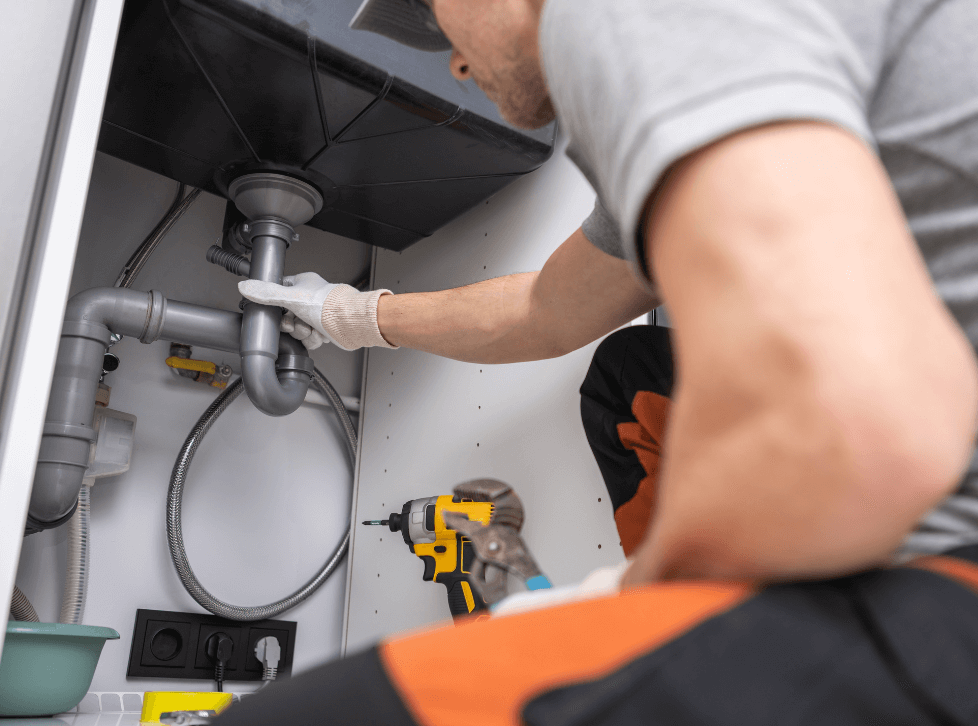
Plumbing systems operate quietly behind your walls, beneath your floors, and underground – until something goes wrong, that is. By the time you notice a problem, damage may already be unfolding. Regular plumbing inspections protect California homeowners from costly surprises, identifying issues before they escalate into emergencies.
California homes suffer from distinctive plumbing challenges. Hard water leaves mineral deposits that restrict flow and corrode pipes. Seismic activity shifts soil and stresses underground lines. Aging infrastructure in older neighborhoods means outdated materials that deteriorate over time. Spotting the early warning signs allows you to address problems proactively, protecting your home and your investment.
At Trumbull Plumbing, we help Orange County homeowners maintain healthy plumbing systems through comprehensive inspections and expert repairs. Knowing when to call for a professional evaluation prevents minor issues from becoming major disasters.
1) Slow Drains Throughout the Home
A single slow drain usually indicates a localized blockage in that fixture’s trap or drainpipe. That said, when multiple drains throughout your home drain sluggishly, the problem lies deeper in your system, likely in your main sewer line.
Slow drainage across several fixtures suggests accumulating blockages, tree root intrusion, or sewer line degradation. These issues worsen progressively. What starts as slightly slow drainage eventually becomes a complete backup, potentially flooding your home with sewage.
Professional inspection using camera technology reveals precisely what’s obstructing your pipes, enabling targeted treatment rather than guesswork.
2) Low Water Pressure
Adequate water pressure makes everyday tasks like showering, washing dishes, and running appliance go smoothly. When pressure drops noticeably, several underlying issues may be responsible.
In California, hard water deposits frequently accumulate inside pipes, narrowing the diameter and restricting flow. Mineral buildup affects older homes more severely, especially those with galvanized steel pipes that corrode from the inside out.
Low pressure can also mean hidden leaks. When water escapes through cracks or loose connections, less water reaches your fixtures. Faulty pressure regulators, corroded pipes, or municipal supply issues may also contribute.
A thorough inspection identifies whether the problem stems from mineral buildup, leaks, or failing components, helping guide the implementation of appropriate solutions.
3) Frequent Toilet Backups or Gurgling
Toilets that backup frequently despite plunging indicate an obstruction in your sewer line rather than the toilet itself. Similarly, gurgling sounds from toilets or drains when you run water elsewhere signal air pressure problems within your drainage system.
These symptoms result from partial blockages preventing proper venting. As water flows through restricted pipes, trapped airs triggers bubbling or gurgling noises. Left unaddressed, partial blockages become complete obstructions, causing sewage backups that cause health hazards and require emergency intervention.
Early inspection detects sewer line problems before they snowball, allowing preventative maintenance rather than crisis management.
4) Unexplained Increases in Water Bills
Water bills fluctuate somewhat based on usage patterns, but sudden, unexplained increases often point to hidden leaks. A small continuous leak wastes lots of water over time, sometimes hundreds of gallons monthly.
Many leaks occur in locations you cannot easily observe: behind walls, under concrete slabs, or in underground supply lines. These hidden leaks continue undetected for months, wasting water and potentially causing structural damage.
Professional leak detection uses specialized equipment like acoustic sensors, thermal imaging, and pressure testing, to locate hidden leaks without destructive investigation. Identifying and repairing leaks quickly prevents waste and protects your property,
5) Water Stains, Mold, or Damp Spots
Visible water stains on ceilings, walls, or floors clearly indicate moisture intrusion. Even small stains signal leaks that may have persisted for weeks or months. Accompanying mold growth is a health concern, particularly in California’s climate where moisture problems can spiral rapidly.
Damp spots under sinks, around toilets, or near water heaters suggest failing seals, corroded connections, or failing pipes. These conditions worsen over time, eventually causing pronounced water damage to surrounding materials.
Addressing moisture problems promptly prevents mold proliferation, structural deterioration, and expensive remediation. Inspection flags leak sources and assesses any hidden damage that needs repair.
6) Aging or Galvanized Plumbing
Homes built before the 1980s frequently contain galvanized steel pipes that corrode internally over time. As corrosion progresses, pipes narrow, water pressure drops, and water quality dips. Eventually, severely corroded pipes develop leaks or fail completely.
California’s mineral-rich water accelerates galvanized pipe degradation. If your home contains original plumbing from decades ago, a professional inspection assesses the condition of the remaining pipes and recommends appropriate timing for replacement.
Proactive repiping prevents emergency failures and improves water quality, pressure, and system reliability.
7) Rusty or Discolored Water
Water emerging brown, orange, or rusty-colored stems from corrosion within your plumbing system. When pipes corrode internally, rust particles and mineral deposits dislodge and flow through your taps.
If hot water appears discolored, your water heater likely requires flushing or replacement. When both hot and cold water show discoloration, pipe corrosion is the probable cause.
Beyond aesthetic concerns, discolored water may contain contaminants affecting health. Inspection determines whether the problem originates from your pipes, your water heater, or the municipal supply, guiding appropriate remediation.
8) Strange Noises in the Plumbing System
Plumbing systems should operate quietly. Unusual sounds like banging, whistling, knocking, or hammering indicate underlying problems that require attention:
- Water hammer produces loud banging when you shut off faucets quickly. This occurs when water flowing through pipes suddenly stops, creating pressure waves that slam against pipe walls and fittings. Repeated water hammer loosens connections and damages pipes over time.
- Whistling or squealing suggests restricted flow through partially closed valves or mineral-clogged pipes.
- Rattling or knocking comes from loose pipes vibrating against framing when water flows.
These noise signal pressure irregularities, loose mounting, or flow restrictions. Professional inspection identifies causes and implements solutions preventing pipe damage.
9) Outdoor Signs of Plumbing Problems
Your yard provides clues about the condition of the underground plumbing. Unexplained soggy areas, pooled water, or unusually lush grass patches above sewer lines indicate leaking pipes beneath the surface.
California’s soil conditions, including expansive clay, seismic movement, and seasonal moisture changes, stress underground pipes. These forces crack aging pipes or separate joints, allowing wastewater to escape.
Sunken areas or depressions in your lawn suggest soil washing away around leaking pipes. Foul odors near specific yard areas are the result of sewer line breaches.
Outdoor plumbing problems warrant professional diagnosis using camera inspections and leak detection equipment. Timely detection prevents extensive yard excavation and foundation damage.
10) When to Call Trumbull Plumbing
Identifying warning signs is the first step toward protecting your home. Professional inspection provides comprehensive evaluation, flagging existing problems and potential vulnerabilities before they cause emergencies.
Proactive inspections save money by catching small issues before they require extensive repairs. Regular evaluation extends the lifespan of plumbing systems through preventative maintenance. Professional documentation of system condition protects property value and provides records for future reference.
Our licensed plumbers bring extensive experience of California’s plumbing challenges. We understand how hard water, seismic activity, and local building codes impact residential plumbing systems throughout Orange County and beyond. Our comprehensive inspections employ advanced diagnostic tools like video cameras, pressure testing equipment, and leak detection technology to provide accurate assessments without unnecessary invasiveness. We explain findings clearly, recommend prioritized solutions, and deliver reliable repairs that stand the test of time.
Your plumbing system deserves the same preventative attention you give other major home systems. Regular inspections identify problems early, prevent emergencies, and ensure that equipment lasts longer.Whether you’ve noticed warning signs or simply want peace of mind, Trumbull Plumbing provides thorough, professional plumbing inspections that help safeguard your California home. Schedule your comprehensive plumbing inspection by calling our friendly team today at (949) 466-8617.